Jun 1, 2016 | Ecology, People, Research
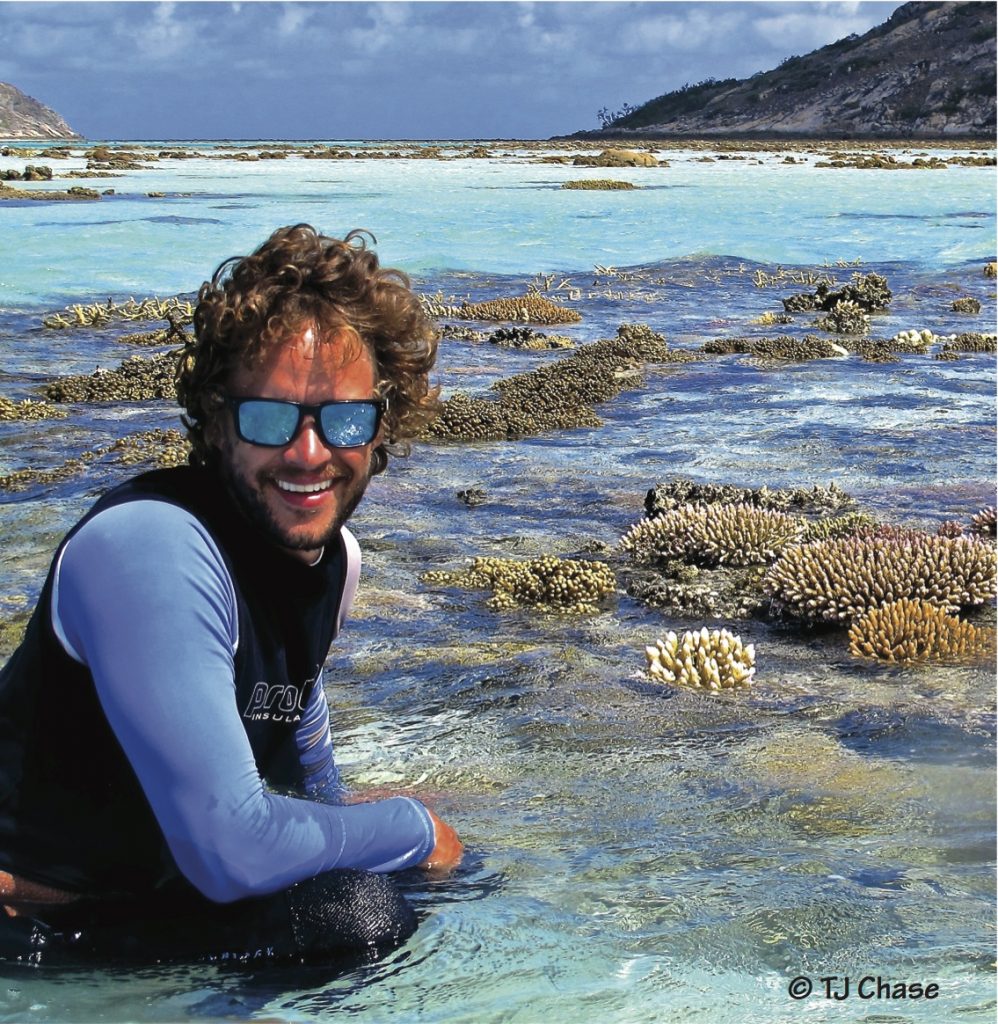
Tory Chase is a PhD student at JCU /CoralCoE. In 2015 he spent 4 months as an Intern at the Australian Museum’s Lizard Island Research Station. He was endeavouring to quantify the prevalence and intensity of coral-fish interactions, specifically between... 
May 4, 2016 | Ecology, Research
Nudibranchs are slug-like marine animals. Many nudibranch species use extraordinary colours and patterns to warn predators they are toxic. Research by scientist Naomi Green at the Australian Museum’s Lizard Island Research Station is expanding our understanding... 
Apr 27, 2016 | Ecology, Research
Field research by Dr Ulrike (Uli) Siebeck and her team at the Australian Museum’s Lizard Island Research Station is busting the myth that fish have a short span of memory and lack ability to learn. Reef fish live in a dynamic, colourful environment. Like other... 
Mar 15, 2016 | Ecology, Global change, Research
Recent research shows at least one small shark species will be able to cope with the level of ocean acidification predicted for the end of this century. Dr. Jodie Rummer from the ARC Centre of Excellence for Coral Reef Studies (CoralCoE) at James Cook University (JCU)... 
Feb 11, 2016 | Ecology, Fellowships, Research
The Australian Museum’s Lizard Island Research Station has been a wonderful place for research and learning during my time as a PhD student with James Cook University. Over the last three years, I have been working at LIRS studying the behaviour of two species... 
Feb 3, 2016 | Ecology, Research
Marine fish begin as eggs, hatch as larvae and go through further phases to adulthood. Once the eggs hatch, the larvae are entirely on their own, with no parental care or training. Knowledge of the larval phase for each species is vital to our understanding of...